


Why Cold Weather Changes the Risk Profile
Cold environments affect both people and materials:
• Reduced dexterity and tactile sensitivity increase the likelihood of slips and mishandling sharp objects
• Stiffer materials (including plastics and metals) can fracture or form sharper edges in low temperatures
• Bulky gloves may tempt workers to remove them ‘just for a moment’, creating exposure at the worst possible time
In other words, cut risks don’t pause in winter; they can often escalate.
The Hidden Trade-Off: Warmth vs. Protection vs. Usability
One of the most common winter mistakes is choosing gloves that solve only one problem.
• Insulated gloves without cut resistance leave workers exposed
• High cut-level gloves without thermal protection encourage non-compliance
• Overly thick gloves reduce grip, control, and precision
Effective cold-weather hand protection has to balance three essentials:
1. Appropriate cut resistance for the task
2. Thermal protection suited to the environment (cold, wet, wind)
3. Dexterity and grip that allow safe, confident handling
If any one of these is missing, risk creeps back in.
What to Look for in Cold-Weather Cut Protection
When specifying or reviewing gloves for winter tasks, safety managers should consider:
1. Adequate Cut Protection
Ensure gloves are tested and rated to EN388:2016, and that the cut level matches the actual hazard.
2. Insulation That Works With the Glove, Not Against It
Thermal linings should maintain warmth without excessive bulk. Advanced fibres and layered constructions can provide insulation while preserving flexibility.
3. Solid Grip in Cold and Wet Conditions
Winter often brings moisture. Look for coatings designed to maintain grip at low temperatures and on slick surfaces, especially for handling sheet metal, glass, or hand tools.
4. Comfort That Encourages Compliance
If gloves are uncomfortable, workers will remove them. Fit, breathability, and reduced hand fatigue matter just as much as performance ratings.
5. Durability in Harsh Environments
Cold-weather work is tough on PPE. Gloves should withstand abrasion, repeated flexing, and gripping without losing protection.
A Winter Checkpoint for Safety Programs
Cold weather is an ideal time to:
• Review hand injury data from previous winters
• Audit glove compliance on the shop floor or site
• Reconfirm that issued gloves match both new seasonal conditions and cut risks
• Engage workers in feedback about comfort and usability
Often, small changes in glove selection can lead to significant improvements in safety behaviour.
Warm hands are important, but protected, capable hands are essential.
The NEW 53-7153 Thermal Winter Glove from Tilsatec provides the perfect cold-weather hand protection without compromising safety or comfort. Delivering EN388:2016+A1 2018 level F cut resistance, aerated insulation, liquid protection, wet grip, and dexterity, it’s the glove solution workers can rely on all shift long.
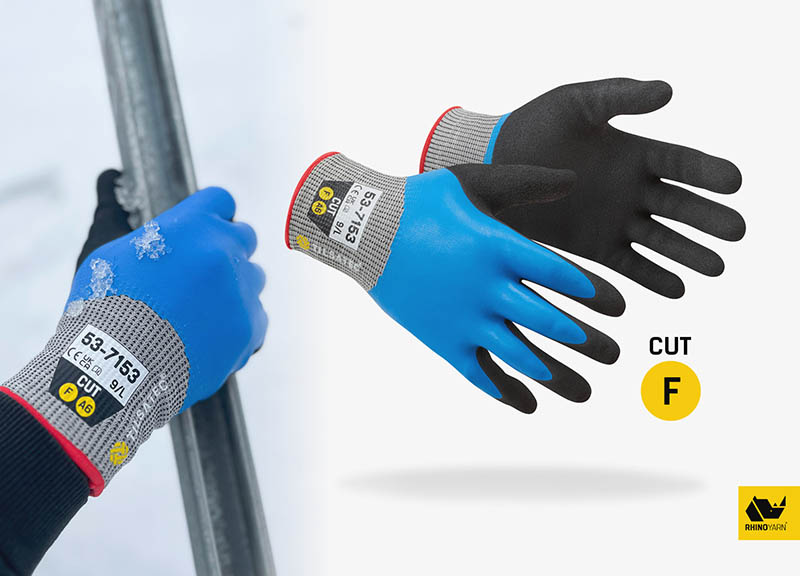
Find out more and level up your winter hand protection.